Pro Modeler 1/48 Junkers Ju 88C-6
By Chris Banyai-Riepl
 |

|
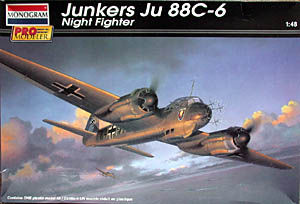
 The Ju 88 family was one of the most successful twin engine aircraft of the Luftwaffe during the Second World War and it found itself in a variety of roles. Originally designed as a bomber, it quickly found itself as a heavy attack fighter. Later on it found a niche in the night skies, becoming a large but effective night fighter. The Ju 88C-6 version featured a faired in nose, often times painted blue with framing to fool the enemy into thinking that it was a Ju 88A bomber version instead of one with a handful of guns in the nose. The C-6 version saw service with Hungary as well as the Luftwaffe and served mostly on the Eastern Front and Mediterranean.
 The Kit
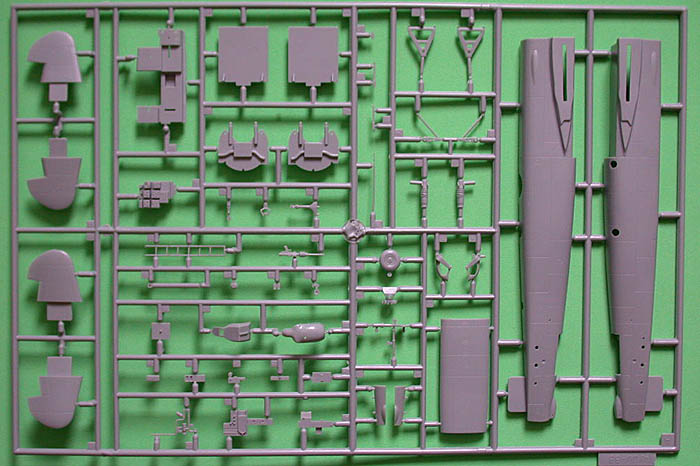
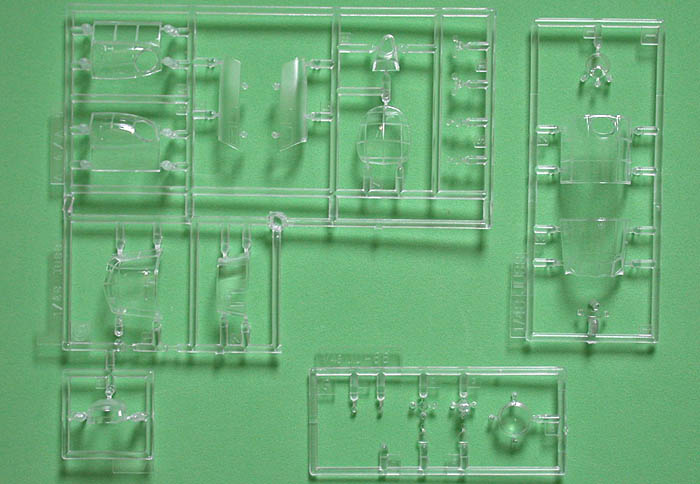
 Starting with the insides, the Ju 88 has a large greenhouse canopy that reveals every nook and cranny, and this kit does a great job of filling things up. The main cockpit tub is made up from a floor and separate boxes along the rear. Rudder pedals, flight yoke, control handles and a three-piece instrument panel add detailing to the main tub, while separate pieces are provided for sidewall details. The fuselage is split into four main pieces, with the cockpit section being incorporated by two of those. This completed assembly fits onto the rear section, while you have a choice of two nose pieces (although only one is outlined in the instructions). The rear fuselage has quite a bit of added detailing as well, from a three-piece direction finder to separate FuG antenna insulators. The vertical fin is separate and is split into right and left halves. The
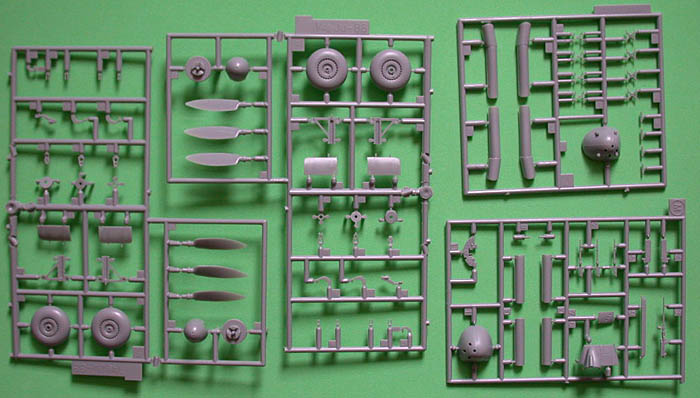 forward fuselage assembly fits against the rear and this is one place where you’ll want to take some time in fitting to avoid using filler.
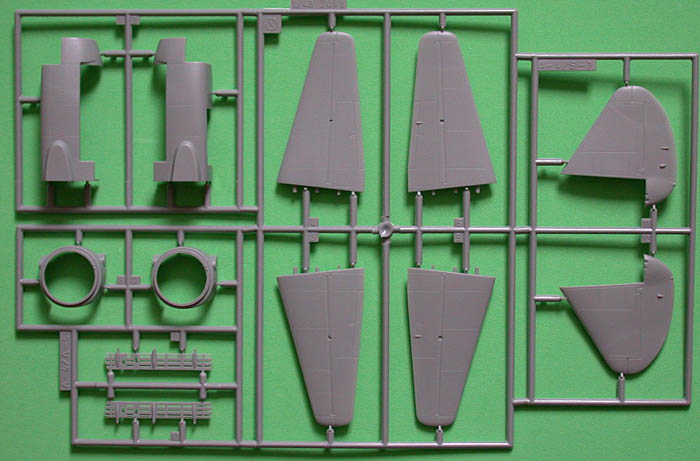
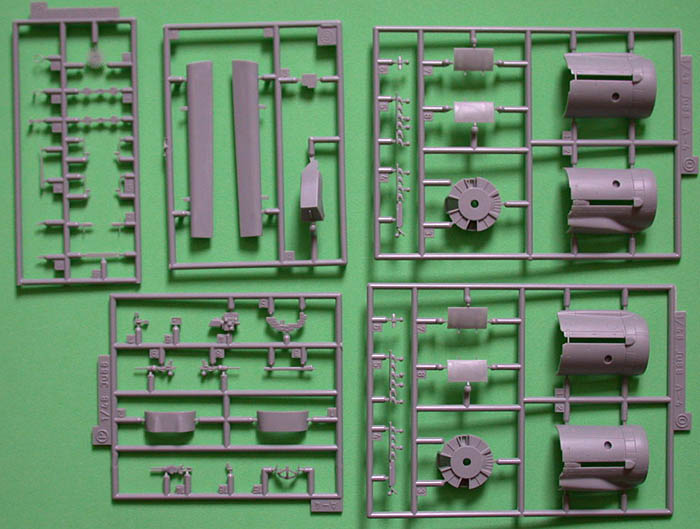
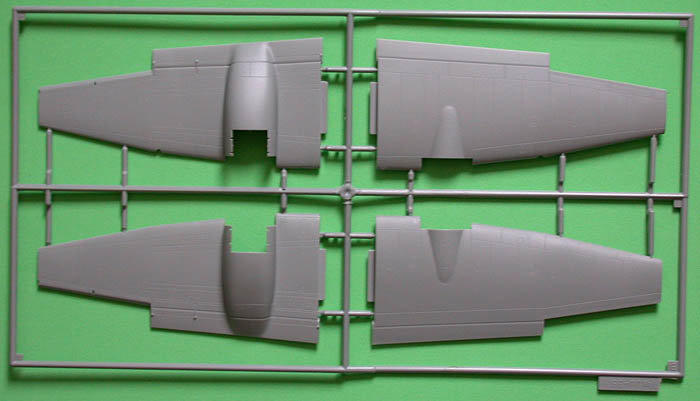 the amount of filler needed. The landing gear is suitably complex and slides as a completed assembly into the nacelle section on the wing. Once that’s in place you can add the forward nacelle assembly. The propellers have separate blades and a two-piece hub.
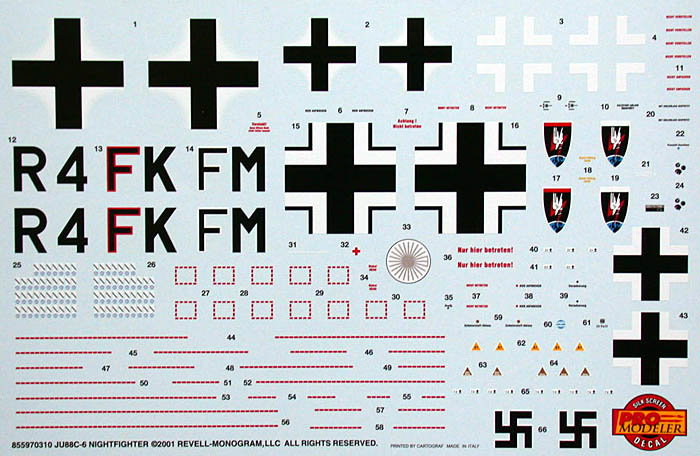
 The decals are excellent and offer a pair of Ju 88C-6s. The first is from 4./NJG 2, based out of Holland in 1942 and flown by Helmut Lent. This one is camouflaged in RLM 02, RLM 74 and RLM 70 in a rather interesting pattern. The second example is from 2./NJG 2, flying out of Catania, Sicily in January of 1942. This plane is finished in RLM 79 and RLM 71 over RLM 76, again a very interesting scheme. Both of these will look neat next to a standard Ju 88A in 70/71. A full set of stenciling is included on the decal sheet, making for a very complete set of markings. The decals are very well printed and are in perfect register.
 Conclusion