
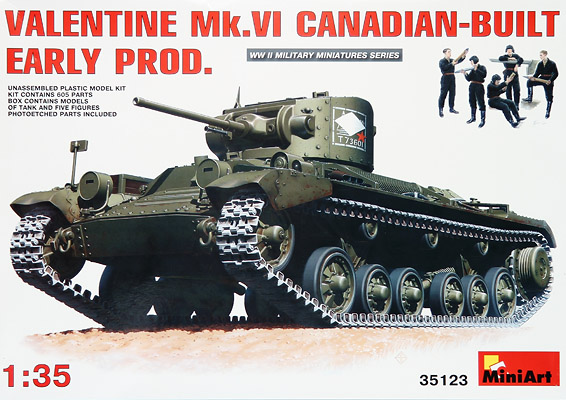
MiniArt 1/35 Valentine Mk.VI Canadian-Built Early Production
By Andrew Birkbeck
Overview
 The Valentine Infantry Tank was the third of Britain's infantry tank designs, the initial two being the A11 and the A12 Matilda 1. Unlike the two previous infantry tanks designed by the British, the Valentine was a private venture design by the firm of Vickers-Armstrong. The Valentine was the British designed tank produced in the greatest numbers during WW2, and there were an amazing 11 major variants of this tank produced, together with a number of self propelled guns mounted on the Valentine chassis, such as the Bishop and Archer. Total production reached 8,275 vehicles and the Valentine was produced not only by Vickers-Armstrong, but also by subcontractors Metropolitan Cammel Carriage & Wagon Co., the Birmingham Railway Carriage & Wagon Co., both of the UK, together with the Canadian Pacific Railway's Montreal production shops in Canada. The kit covered in this review is one produced by the Canadian firm, as the kit title suggests.
 The earlier Mark Valentines saw service in the North African campaigns with the British 8th Army, while later variants saw service with British forces in Europe. The Valentine also serviced with the Commonwealth Armed Forces of Australia, Canada, and New Zealand, as well as the Lend-Lease efforts to supply the Soviet Union. The kit under discussion in this review is one such Soviet Lend-Lease example. The last Valentines in use soldiered on into the 1950's in the service of New Zealand armored units.
 Despite its large production run, the Valentine series of tanks has not been popular with the kit manufacturers. Over the past 30+ years, I can think of only two efforts in 35th scale: a very expensive Accurate Armour resin kit existed, plus an injection kit from VM of Russia (marketed briefly by Dragon Models). However, suddenly this tank is "hot" and there has been a veritable rush to produce Valentine kits in the past year or so. MiniArt came on the scene first, and has at last count 10 Valentine tank boxings already out or due out shortly. Bronco Models and AFV Club also have promised new Valentine kits within the next year. However, it is the Miniart product that we are discussing in this review.
The Kit
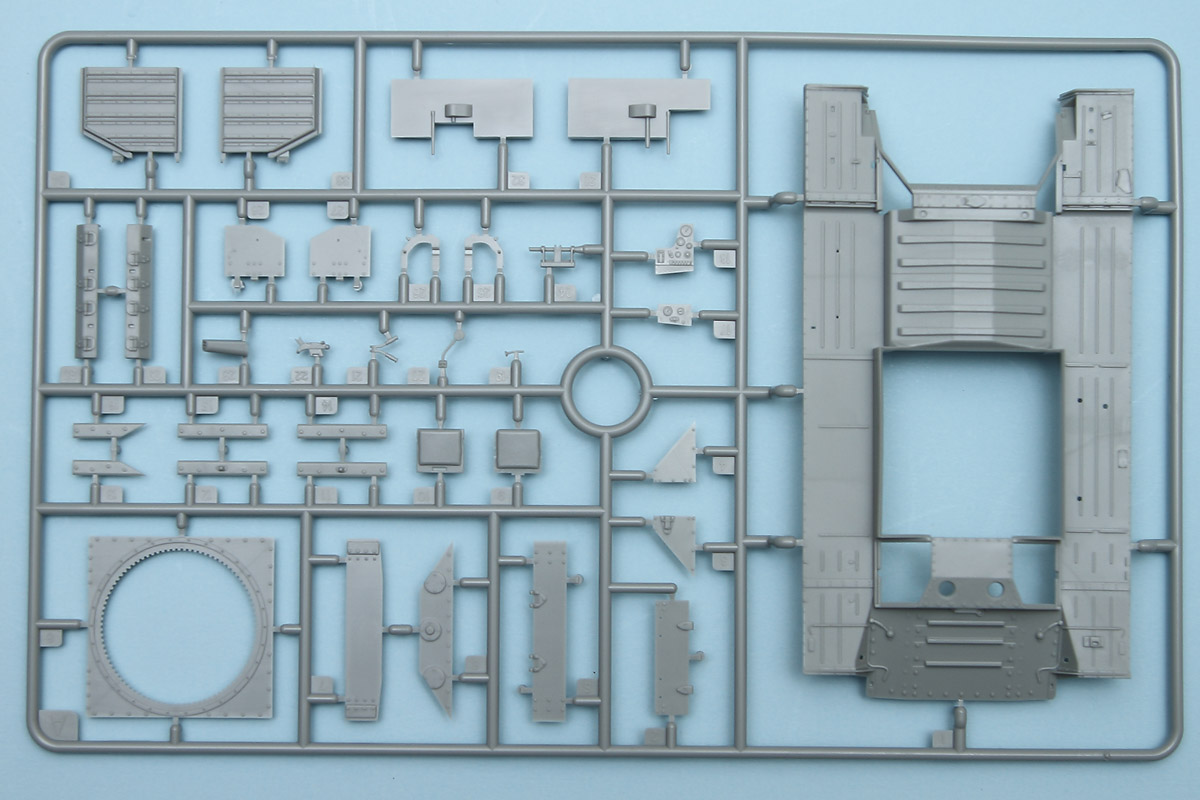
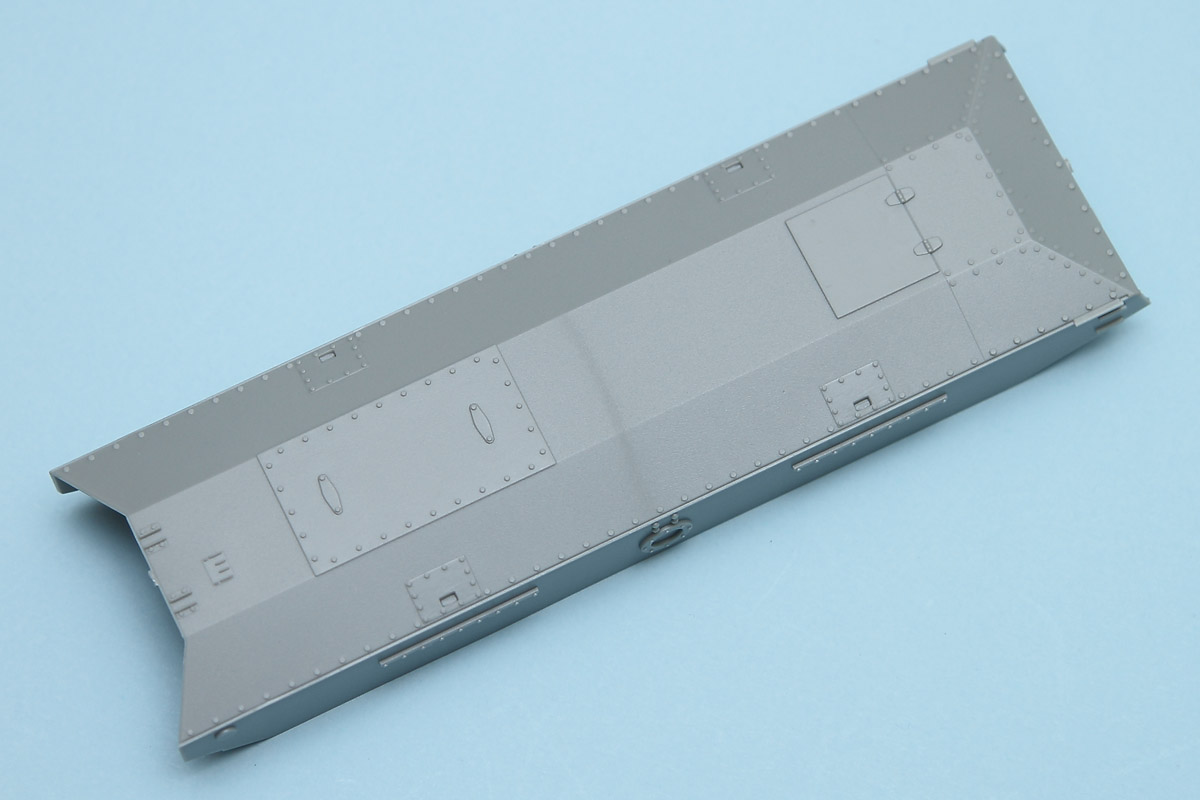
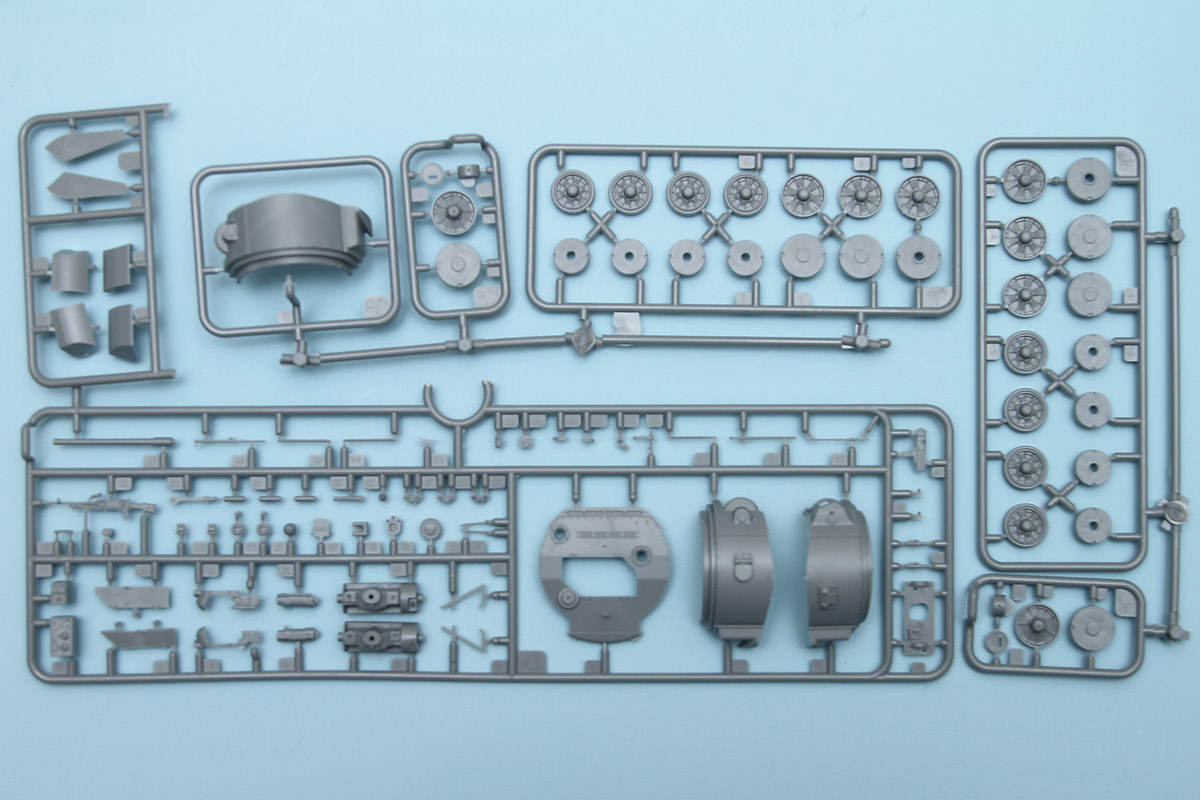
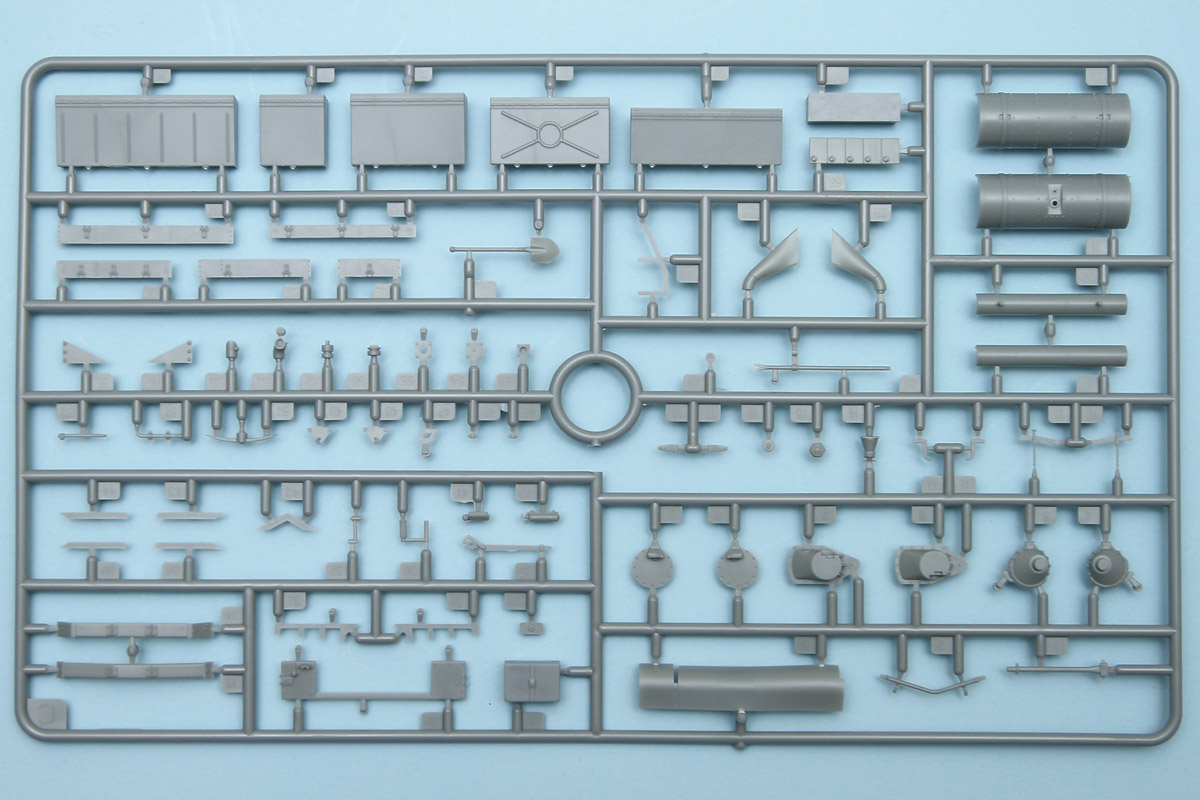 The molding quality of the MiniArt kit is nothing short of first rate. The parts are crisply molded, with no visible sink marks and the detail is very petite. There is a little extra clean up required on some parts over and above what I have experienced say on a Tamiya kit (to me the industry leader), but this extra work isn't major nor any particular challenge to achieve. The etched brass parts are first rate, and cover such items as the external exhaust cover mesh, and the turret radio mounting brackets.
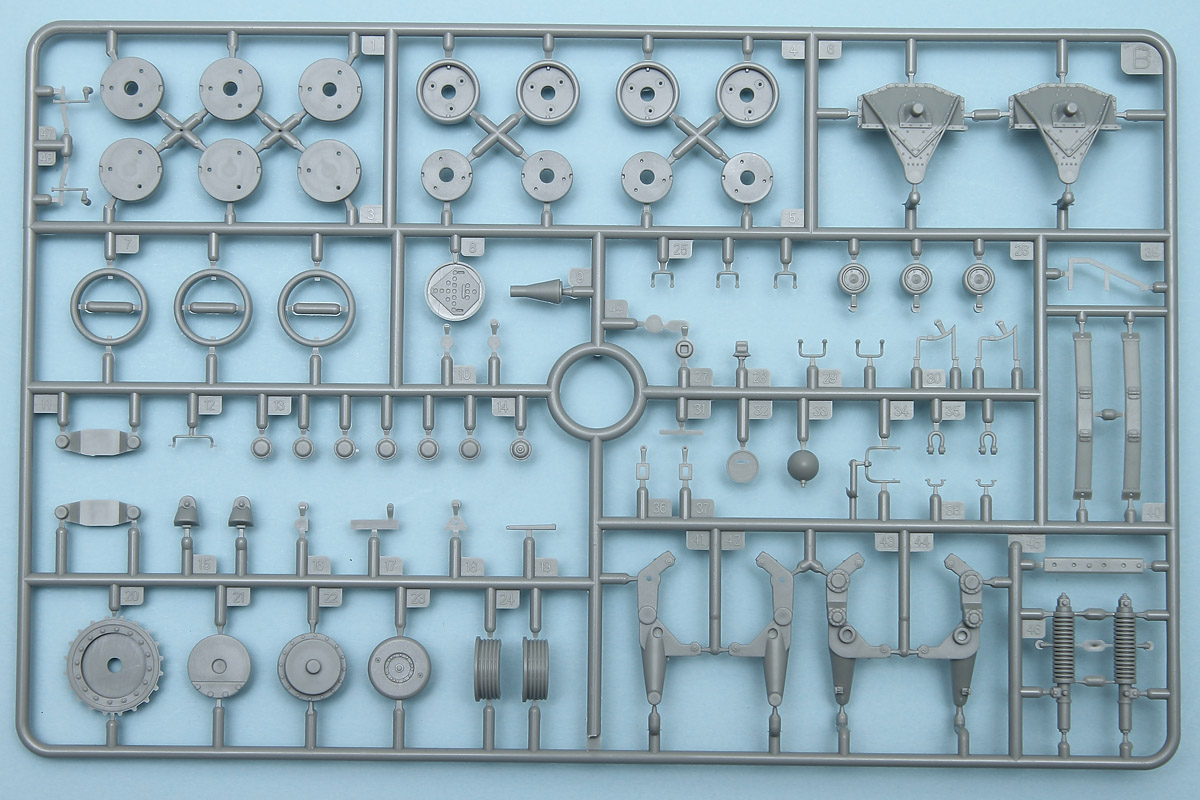 While not containing a fully detailed interior, the kit does provide the modeler with the forward driver's area covering the driver's seat, brake and clutch levers etc., as well as interior turret detail such as the gun breach area and radio station. The hatches above the driver station can be positioned in an open manner, so allowing the modeler to display this detail if they wish.
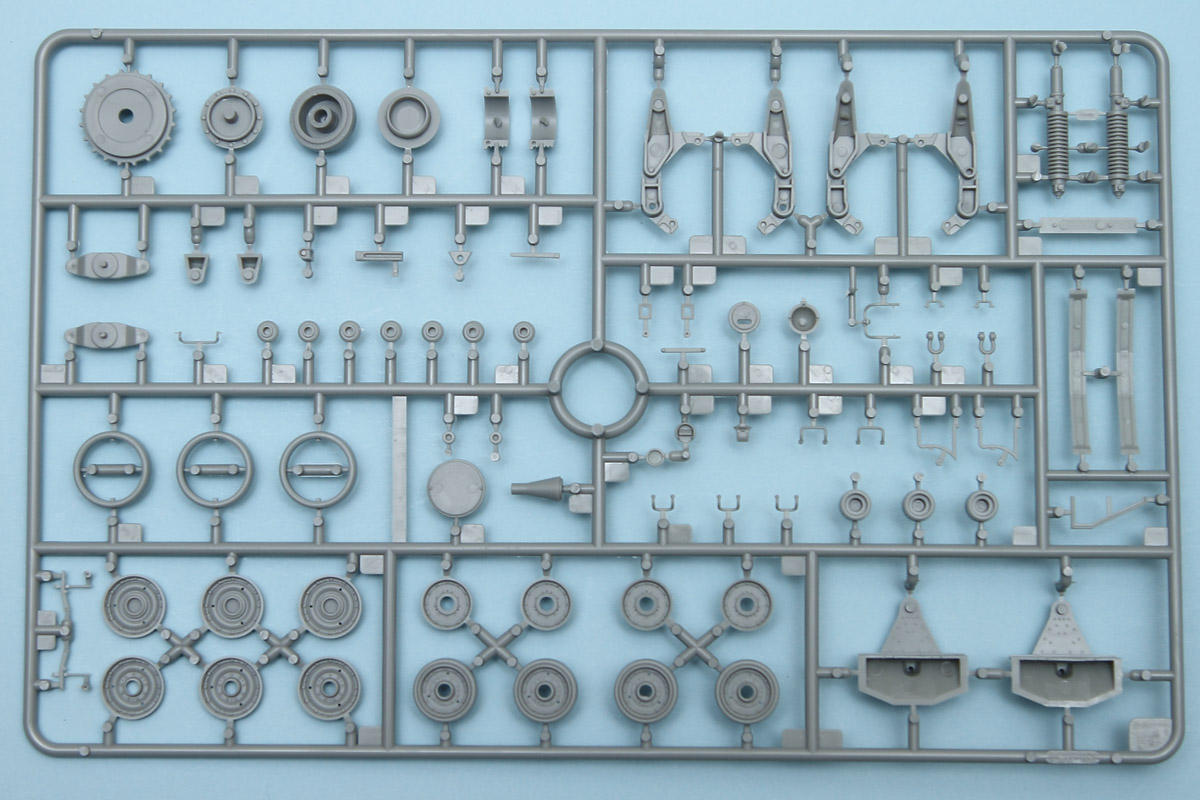 The external detail on the kit is excellent, and the kit provides the necessary parts to build the Canadian built version, with road wheels and turret shell details specific to this version. (An additional set of road wheels is also provided in the kit, which can be sent directly to "the spares box".) Of particular note is the lovely detail of the onboard tools such as the pick axe head, shovel, pry bar etc., as well as the petite detail found on the external storage lockers.
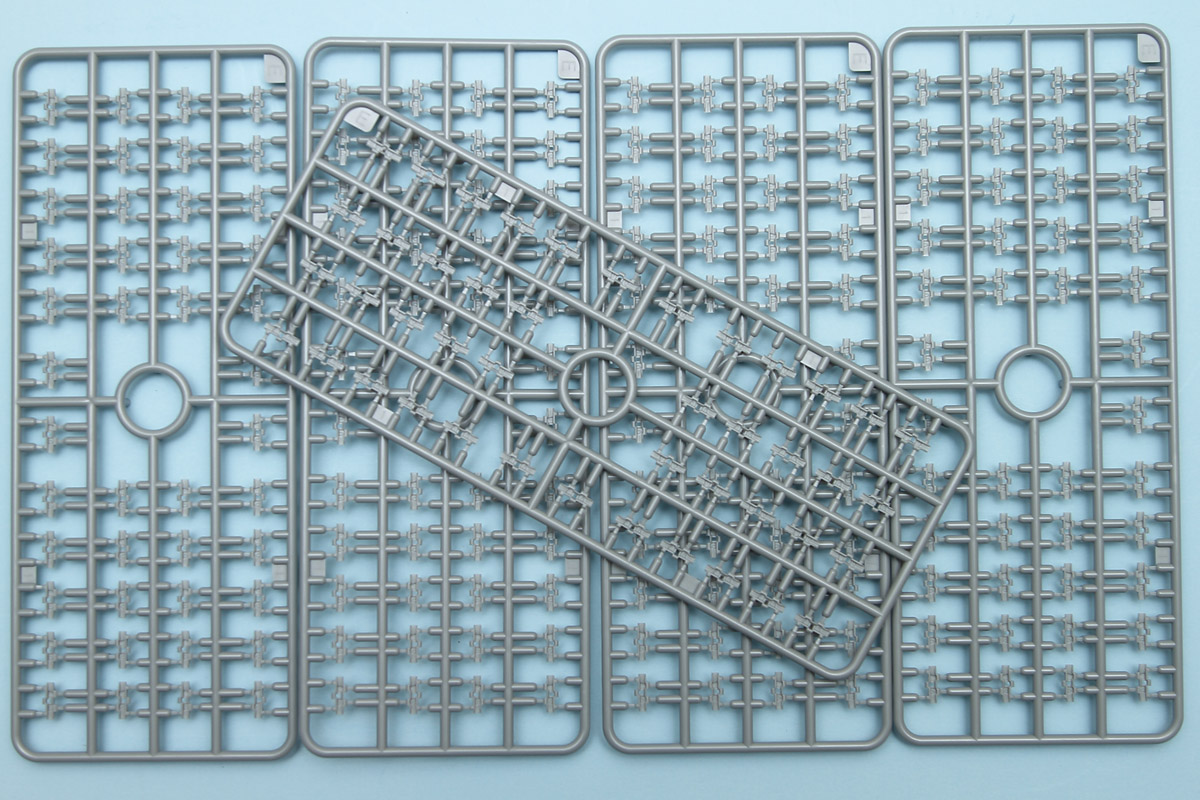 The track links, while fiddly to deal with (they are individual link), are very well detailed, and minus any ejection pin marks. However, there are literally 200+ of them, which makes for a few tedious nights' worth of work to remove them all from the sprues, clean up their sprue attachment points, and glue them carefully together. Make sure you use slow setting plastic cement, such as the thicker Testors cement in the black plastic bottle with the metal tube applicator. Build them carefully following the instructions, and in suitable lengths. Constructing a simple jig to keep the tracks correctly aligned would be a good idea.
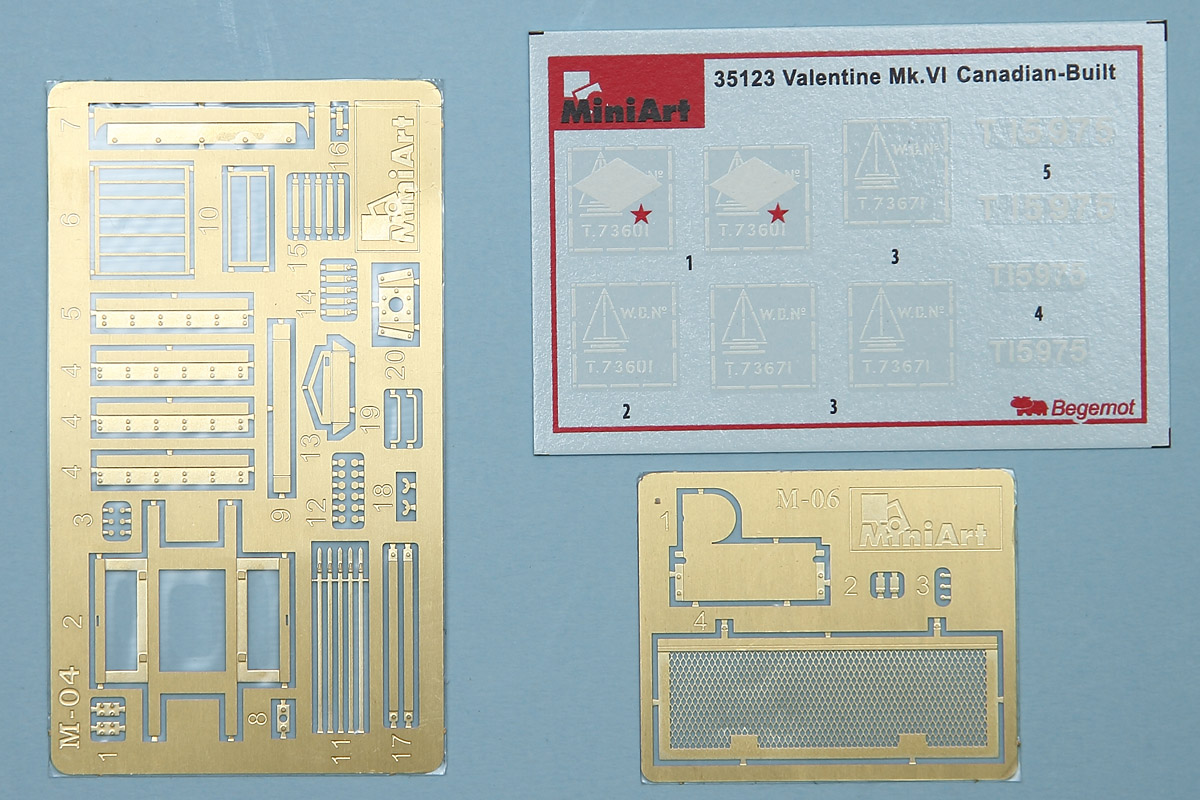 The simple decal sheet provides two vehicle options: an all green Soviet vehicle of the 5th Guard Tank Brigade, 20th Army, North Caucasus, Summer 1945; or an all green Canadian training vehicle based at Borden Camp, Ontario in 1942.
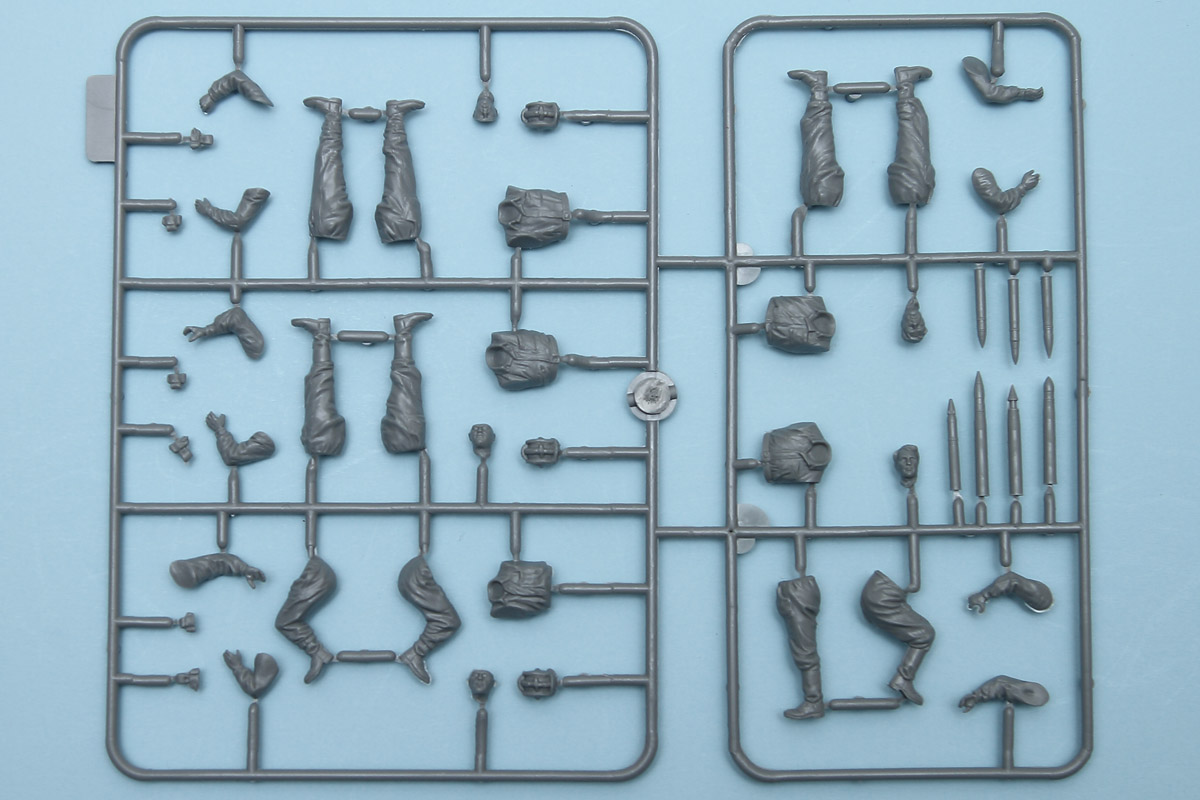
The five figures on two sprues have been released by MiniArt previously. They are in typical black Soviet tanker uniforms, and are positioned as if loading up the vehicle with shells. The detail on the figures, especially the faces, is like the Valentine kit, first rate. The one issue is that the shells are not suitable for the 2 pounder gun of the Valentine, appearing to be more suitable to a T-34 or KV-1.
Conclusion
 All in all this kit looks extremely well done, with loads of detail on the vast numbers of parts contained on the sprues. Initial building of the kit indicates the fit of parts is good, though with tight tolerances, so make sure you test fit parts before applying glue to make sure everything goes where it is supposed to. A build review to follow shortly. My thanks to MRC for the review sample.